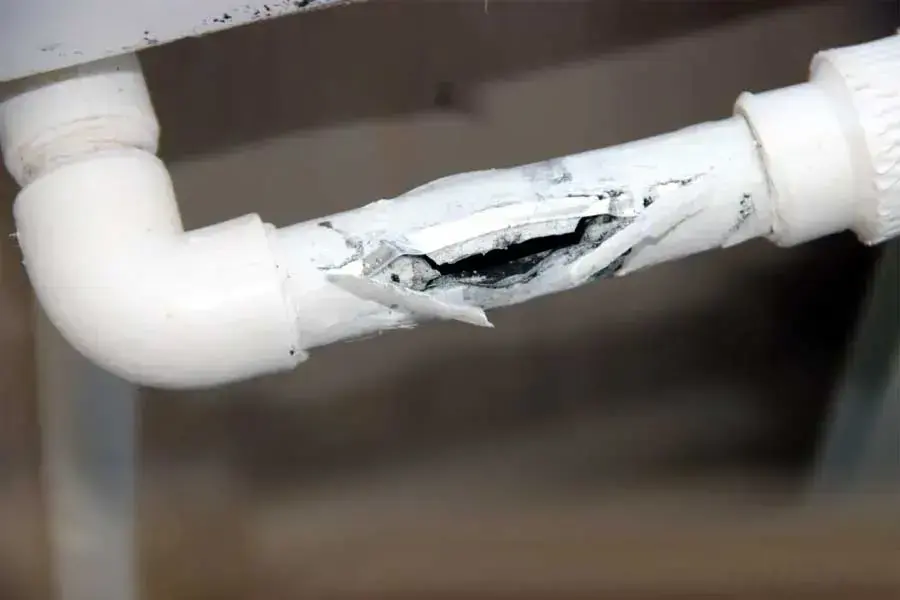
A freeze does not always ruin a pipe on the night it happens. The damage often waits until the thaw, and in Sachse the city has warned that a frozen, damaged pipe may not leak for many days.
Key takeaways
- The city says likely places for frozen pipes are against exterior walls and where the water service enters the home through the foundation.
- After Winter Storm Uri in February 2021, the city warned that flooding from damaged pipes was a main issue.
- A frozen, damaged pipe may not leak for many days, so a house should be checked after the thaw and again later.
- The city lists wet carpets or floors, unusual sounds when water is not in use, foundation leaks, soggy lawn areas from broken irrigation and pool equipment as places to check.
- Leaks on the customer side of the meter are the owner's, and a plumber hired by the owner repairs them.
Where Sachse pipes freeze
The city's advice is specific. Likely places for frozen pipes are against exterior walls and where the water service enters the home through the foundation.
Those spots share one trait: they sit closest to outside air. A pipe in an interior wall stays warmer than one pressed against the exterior side of the house.
Exterior walls
Pipes behind sinks on an outside wall, in garages and in utility rooms along the exterior have the least protection. Cabinet doors under those sinks trap cold air against the pipe.
Where the water enters the house
The point where the supply comes up through or beside the foundation is another cold spot. A crack in a fitting there can leak into the slab edge or wall, out of sight.
What happened after Winter Storm Uri
After Winter Storm Uri in February 2021, the city warned that flooding from damaged pipes was a main issue. It ran a storm damage assessment survey after the freeze.
The advice was blunt: a frozen, damaged pipe may not leak for many days. Ice can hold a split closed, and the water only runs once the pipe thaws and pressure returns.
Texas homes can sit through a freeze with no sign of trouble. The first sign may be a wet floor days later, after temperatures rise and the ice melts back into water under pressure.
That delay is why a check right after the thaw is not enough. A second look a few days later, and a glance at the meter, catches the leaks that hid at first.
A recent freeze: January 2026
A January 2026 winter storm brought freezing rain, sleet and snow to Sachse over the weekend of January 24 and 25.
Before the storm, city crews staged sand trucks and portable generators and stood ready to help with emergency water shutoffs. A homeowner who knows where the main shutoff is does not have to wait for help.
- Find the main shutoff valve in the house before a freeze, and test it.
- Know where the meter is and whether the city can close water there in an emergency.
- Keep a flashlight, towels and a bucket near the shutoff.
Where to check after the thaw
The city's own list is a useful checklist. Water from a damaged pipe shows up in a few predictable ways.
- Wet carpets or floors, especially along exterior walls.
- Unusual sounds when water is not in use, such as hissing or dripping behind a wall.
- Foundation leaks, where water appears at the slab edge.
- Soggy lawn areas that point to a broken irrigation pipe.
- Pool equipment and its supply pipes, which can crack in a freeze.
- A sudden large increase in a utility bill, which the city says often points to a leak in the private water system.
Who repairs what
The city is responsible for public water mains and the service pipe from the main to the water meter. Leaks on the customer side of the meter are repaired by a plumber the owner hires.
That split matters on a freeze call. If water is flowing from the meter side of the house, the repair belongs to the homeowner, and the restoration work on the wet rooms can start in parallel.
Learn how the water side is handled on the frozen pipe water damage page.
What the cleanup involves
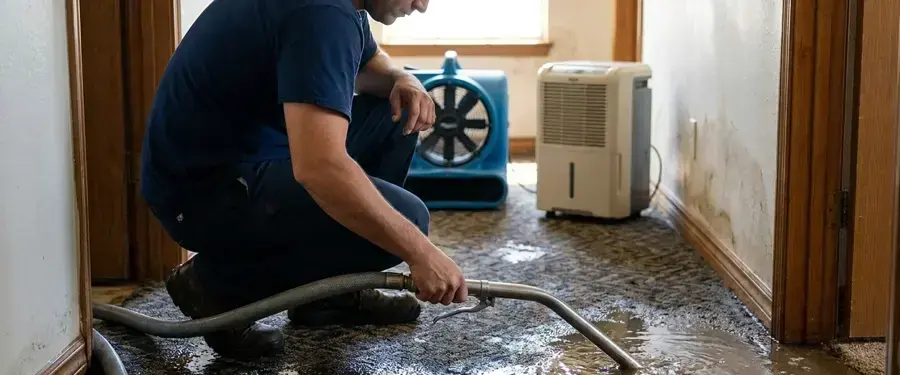
A split pipe can soak a wall, a floor and the ceiling below in a short time. The crew finds the source, shuts off the water if it is still running and begins extraction.
A burst pipe water damage job then moves to drying and removal. Wet insulation and drywall are cut out where drying in place will not work, and the wall cavity is opened to the framing.
Slow leaks found late
A slow leak can run for days behind a wall. By the time it is found, flooring may be cupped and drywall soft.
The longer it ran, the more is removed.
Drying and replacement
Air movers and dehumidifiers run until readings show the wood and drywall are dry. Rebuilding starts only after that.
Steps for a hard freeze
A few habits cut the risk before the first hard freeze of the season. They cost little and take an afternoon.
The aim is to keep pipes warm, keep water moving and know how to stop the flow.
- Open cabinet doors on exterior walls so room air reaches the pipes.
- Let a faucet drip on the coldest night, using the faucet farthest from where the water enters.
- Disconnect hoses and cover outdoor spigots.
- Keep the heat on and set it no lower than normal, even if the house is empty.
- Check the attic and garage for exposed pipes and wrap them.
Records, claims and prevention
Document the pipe, the damage and the plumber's repair. Insurers commonly ask for photographs, invoices and dates.
Prevention is cheap compared with a claim. Insulate exposed pipes, open cabinet doors on exterior walls during a hard freeze and let faucets drip.
See the Sachse water damage hub for other services if damage spreads beyond a single pipe.
City crews also stood ready in January 2026 to help with emergency shutoffs, which shows how much a freeze can overload everyone at once. A homeowner who can close the main valve alone loses less water.
Questions
Where do pipes freeze in a Sachse home?
The city says likely places are against exterior walls and where the water service enters the home through the foundation.
Can a frozen pipe leak days after the freeze?
Yes. The city warned that a frozen, damaged pipe may not leak for many days.
Who repairs a leak on the home side of the meter?
A plumber hired by the owner. The city handles public mains and the service pipe up to the meter.
What are signs of a hidden freeze leak?
Wet carpet or floors, unusual sounds when water is off, foundation leaks, soggy lawn spots and a sudden jump in the water bill.
What should be done before the next freeze?
Locate the main shutoff, insulate exposed pipes and protect those on exterior walls.
Does the city repair pipes inside the house?
No. The city handles public mains and the service pipe up to the meter. Pipes on the customer side belong to the owner.