Slab Leak Water Damage in Rowlett, TX
Rowlett homes sit on concrete over clay that swells and shrinks, and the pipe under them pays for it. The drying team maps the wet floor, lifts what cannot dry in place and dries the slab.
(888) 527-9134Warm spot or wet floor? Start the dry-out now.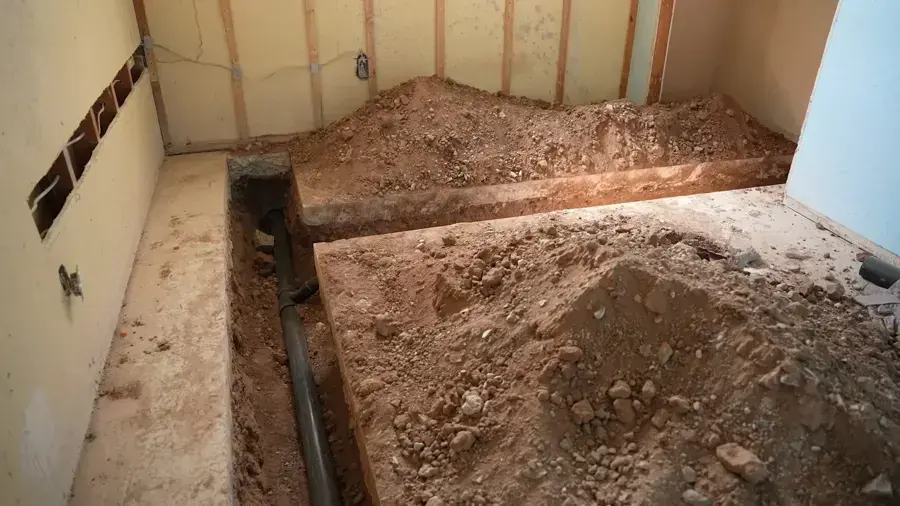
First steps for slab leak water damage in Rowlett
- 1
Run the meter test
Turn off every fixture and watch the water meter for movement.
- 2
Shut off the water
If the meter moves or water shows, close the main valve.
- 3
Call a plumber
Leak detection finds the break; the repair comes before final drying.
- 4
Photograph the floor
Record wet spots, cupping and cracks before anything is lifted.
How slab leak water damage work is done in Rowlett
Nearly every Rowlett home sits on a slab-on-grade foundation poured over Blackland Prairie clay. That clay swells when it is wet and shrinks in drought, and the slab moves with it. Over years, the supply and drain pipe under the concrete can crack, wear at fittings or rub through. The water often runs for weeks before it shows, wicking into flooring, baseboards and the bottom of walls.
What does slab leak water damage cost in Rowlett, TX?
In Rowlett, TX, slab leak water damage restoration typically runs $2,000 to $22,000 for the drying and removal, not counting the plumbing repair, depending on how much floor is wet, the flooring type and how long the leak ran.
Small wet area
$2,000 to $5,000
- One room of flooring
- Slab drying mats
- Daily readings
Several rooms
$5,000 to $12,000
- Flooring lifted
- Desiccant drying
- Lower drywall checked
Long-running leak
$12,000 to $22,000
- Large slab area
- Category 2 treatment
- Walls and cabinets opened
Ranges are typical, not a quote: category of water, square footage, material class and how fast drying started move the number most. Run the Rowlett water damage cost calculator for a closer range.
The slab leak water damage process in four steps
The tech who does the walkthrough maps moisture before any equipment goes down, so the drying plan matches what is actually wet. Equipment stays until the readings say dry, not until it looks dry.
- 1
Leak found and fixed
A plumber locates and repairs the pipe under the slab.
- 2
Moisture mapping
Meters trace how far the water spread across the slab and into walls.
- 3
Lift and remove
Flooring that blocks drying and wicked baseboards come up.
- 4
Dry the concrete
Desiccants and mats run until the slab reads dry.
Signs of a slab leak in a Rowlett home
A slab leak hides under the floor, so the signs are indirect. Hot water pipes leaking under the slab often leave a warm spot on tile or bare feet. A water meter that moves with every fixture off points to a leak somewhere.
- A warm or damp spot on the floor
- Cupped wood or laminate away from any sink or tub
- A water bill that jumped for no clear reason
- Running water sound with everything off
- New cracks in tile or the slab
Drying a slab is Class 4 work
Concrete holds water deep in its pores and gives it up slowly. Once a plumber finds and repairs the leak, the tech who does the walkthrough maps moisture across the floor and into the walls. Carpet, laminate and engineered wood over a wet slab usually come up, because the concrete cannot dry through them.
Desiccant dehumidifiers and drying mats pull water out of the slab, and readings continue until the concrete matches a dry reference. Rushing new flooring onto a wet slab leads to cupping and failed adhesive.
Working around the plumbing repair
Leak detection and the pipe repair, by a reroute or by opening the slab, are plumbing work. The restoration team dries the house around that repair and documents the wet area for the claim. See structural drying for how dense materials are dried.
- Flooring lifted only where the slab reads wet
- Baseboards and lower drywall checked by meter
- Daily slab readings in the claim file
Texas A&M AgriLife disaster education covers drying a home after water damage, and the EPA mold and moisture pages explain why trapped moisture under flooring matters.
Expansive clay can change volume a great deal between wet and dry seasons, which is why foundation movement and slab leaks are so common across the Dallas area.
Slab leak water damage across Rowlett and the Lake Ray Hubbard area
The Rowlett restoration crew covers ZIP 75088, 75089 and 75030, from Downtown Rowlett and Lakeview Parkway out along Dalrock Road, Miller Road and Chiesa Road to Waterview and the Lake Ray Hubbard shoreline.
Nearby coverage reaches Garland, Sachse, Rockwall, Heath, Sunnyvale, Wylie.
Related water damage services in Rowlett
Slab Leak Water Damage questions in Rowlett, TX
Why are slab leaks common in Rowlett?
Homes sit on slabs over expansive clay that swells and shrinks with the seasons. The slab moves, and the pipe beneath it can crack or wear at fittings.
Does all the flooring have to come up?
Only flooring over wet concrete that cannot dry through it. Readings decide; tile sometimes stays, while laminate and carpet pad usually come up.
How long does a slab take to dry?
Usually longer than a normal room, often a week or more, because concrete releases water slowly. The readings decide when it is dry.
Who finds the leak?
A plumber with leak detection equipment locates it, then repairs the pipe or reroutes it through the walls or attic.
Can mold grow under the flooring?
Yes. Water trapped between flooring and the slab is a common place for growth, which is why wet flooring over the leak usually comes up.
Is a slab leak covered by insurance?
Many policies treat the resulting water damage differently from the pipe repair, and some limit slab coverage. Check with your own insurer about your policy.
Still dealing with it?
Slab leak under your Rowlett home? Get the floor dried out.
Wet floor from a slab leak in Rowlett? Start the dry-out now.
Water under the slab keeps soaking flooring and walls until the pipe is fixed and the concrete is dried.
(888) 527-9134Rowlett slab leak response, any hour