Water Heater Leak Cleanup in Rowlett, TX
Many Rowlett water heaters sit in the attic, right above a finished ceiling. When the tank fails, the extraction crew pulls the water, the drying team opens wet ceilings and dries the structure.
(888) 527-9134Tank leaking? Start water removal now.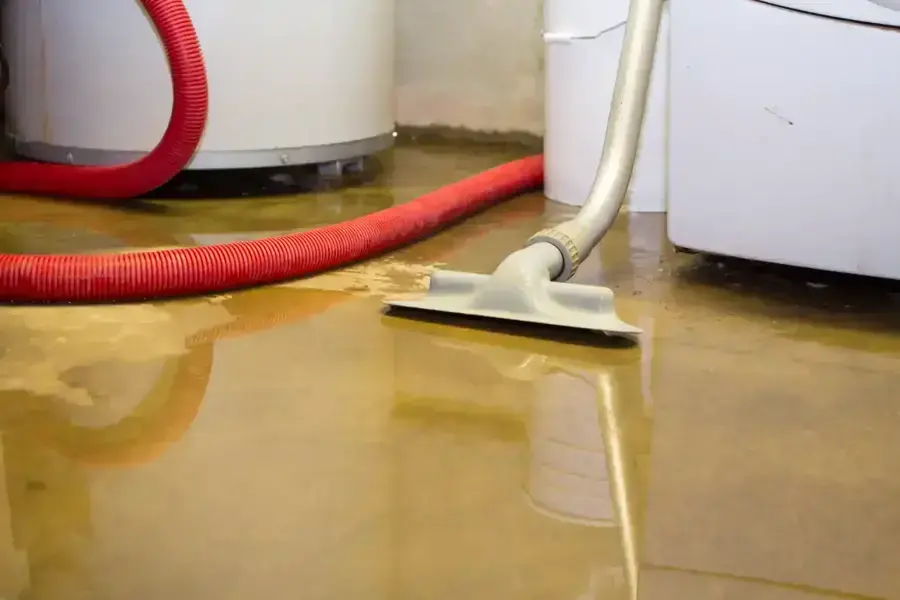
First steps for water heater leak cleanup in Rowlett
- 1
Close the cold supply
Turn the valve on the cold-water pipe above the tank, or shut the main.
- 2
Turn off the heat
Switch the gas valve to pilot or off, or turn off the breaker for an electric tank.
- 3
Check the ceiling below
With an attic tank, look for stains or bulges in the rooms underneath.
- 4
Photograph and call
Record the tank, the pan and the wet areas before cleanup.
How water heater leak cleanup work is done in Rowlett
North Texas builders often put the water heater in the attic or the garage, and Rowlett homes from the 1980s through the 2000s follow that pattern. A garage tank leak usually stays on concrete and reaches the walls next to it. An attic tank is a different story: when the tank or its pan overflows, water runs across the attic floor and through the ceiling into living space.
What does water heater leak cleanup cost in Rowlett, TX?
In Rowlett, TX, water heater leak cleanup typically runs $1,000 to $18,000, depending on whether the tank sits in the attic or the garage, how many ceilings and walls got wet and how fast drying started.
Garage leak
$1,000 to $3,500
- Slab extraction
- Shared walls dried
- Daily readings
Attic leak, one ceiling
$3,500 to $8,000
- Insulation removed
- Ceiling opened
- Room below dried
Attic leak, several rooms
$8,000 to $18,000
- Multiple ceilings
- Walls and flooring
- Long drying set
Ranges are typical, not a quote: category of water, square footage, material class and how fast drying started move the number most. Run the Rowlett water damage cost calculator for a closer range.
The water heater leak cleanup process in four steps
The tech who does the walkthrough maps moisture before any equipment goes down, so the drying plan matches what is actually wet. Equipment stays until the readings say dry, not until it looks dry.
- 1
Stop the water
The supply and heat are shut off and the tank is isolated.
- 2
Extract and inspect
Standing water comes up; attic, ceilings and walls are mapped.
- 3
Remove wet materials
Soaked insulation, ceiling drywall and baseboards come out where needed.
- 4
Dry and verify
Equipment runs until readings match a dry reference.
How water heaters fail
Tanks typically last eight to twelve years. Sediment and corrosion eat through the bottom of the tank, the relief valve opens or drips, and supply connections loosen over time. An attic drain pan only helps when its drain pipe is clear and the leak is slow.
- Rusted-through tank bottoms on older units
- Relief valve discharge
- Loose or corroded supply connectors
- Clogged or missing drain pan pipes
Attic tank leaks and the ceiling below
Water from an attic tank soaks the insulation around it and spreads across the top of the drywall. The tech who does the walkthrough checks the attic and the ceilings below with meters, pulls wet insulation and cuts out saturated drywall so the cavity can dry. See ceiling leak water damage for how ceilings are handled.
Garage tank leaks
A garage leak spreads across the slab and wicks into the drywall and baseboards on the walls next to the house. Extraction, baseboard removal where readings call for it and targeted drying usually handle it in a few days.
- Water extracted from slab and storage areas
- Shared walls with the house checked by meter
- Readings logged daily until dry
The Department of Energy Energy Saver pages cover water heater upkeep and replacement, and the EPA mold and moisture pages explain why wet ceilings and insulation need quick drying.
A typical tank holds 40 to 50 gallons, and the supply keeps refilling it until the cold-water valve or the main is closed.
Water heater leak cleanup across Rowlett and the Lake Ray Hubbard area
The Rowlett restoration crew covers ZIP 75088, 75089 and 75030, from Downtown Rowlett and Lakeview Parkway out along Dalrock Road, Miller Road and Chiesa Road to Waterview and the Lake Ray Hubbard shoreline.
Nearby coverage reaches Garland, Sachse, Rockwall, Heath, Sunnyvale, Wylie.
Related water damage services in Rowlett
Water Heater Leak Cleanup questions in Rowlett, TX
Why is my water heater in the attic?
Many North Texas homes place the tank in the attic to save floor space. It works until the tank leaks above a finished ceiling.
Does a drain pan stop the damage?
Only for small, slow leaks with a clear drain pipe. A failed tank releases more water than a pan can hold.
How long do water heaters last?
Most tanks last about eight to twelve years. Age, sediment and water quality all affect it.
Who replaces the tank?
A plumber replaces the tank. The restoration team dries the house around that repair.
Will the ceiling below need replacing?
Only where readings show it saturated or sagging. Dry, stained drywall can often be sealed and painted later.
Is a water heater leak covered?
Sudden water damage from a failed tank is often covered, though the tank itself usually is not. Check with your own insurer.
Still dealing with it?
Water heater leaking in your Rowlett home? Get the water out now.
Attic tank leaking in Rowlett? Call before the water reaches the subfloor.
A failed tank keeps refilling until the supply is shut, and attic water heads straight for the ceiling.
(888) 527-9134Rowlett water heater response