Ceiling Leak Water Damage in Rowlett, TX
In a two-story Rowlett home, an upstairs bath, an attic tank or an attic pipe can soak the ceiling below. The restoration team traces the interior source, checks the wiring area and dries the ceiling cavity.
(888) 527-9134Ceiling dripping? Call now.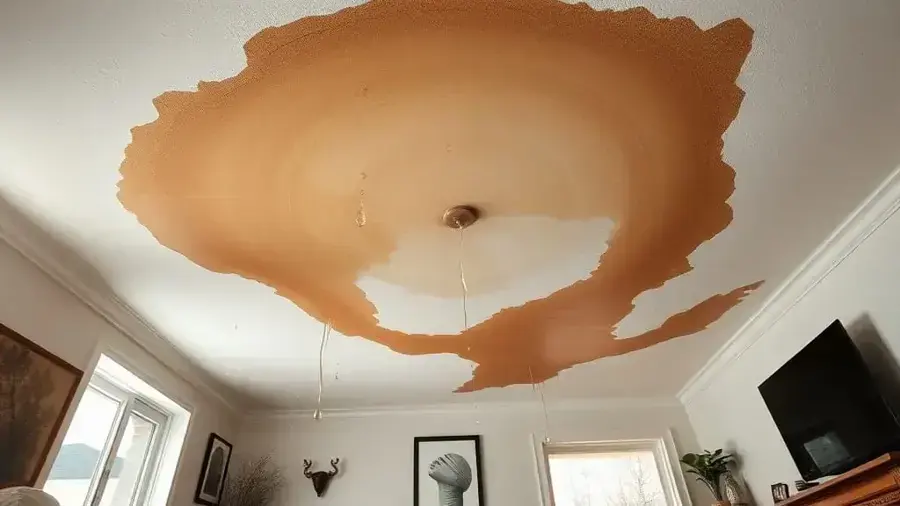
First steps for ceiling leak water damage in Rowlett
- 1
Shut off the source
Close the fixture shutoff upstairs, the water heater valve or the main.
- 2
Cut power to the room
Switch off breakers for the wet ceiling's lights and fans if the panel is safe.
- 3
Keep clear of sags
Move people, pets and furniture out from under a bulging ceiling.
- 4
Photograph and call
Record the ceiling and the source above it before cleanup.
How ceiling leak water damage work is done in Rowlett
A ceiling leak inside the house comes from plumbing or equipment above it, not from the roof. In Rowlett's many two-story homes that means upstairs tubs, showers and toilets, and in single-story homes it means the attic, where water heaters and air handlers often sit right above finished ceilings. The water spreads across the top of the drywall before it shows, so the wet area is usually larger than the stain.
What does ceiling leak water damage cost in Rowlett, TX?
In Rowlett, TX, ceiling leak water damage restoration typically runs $900 to $16,000, depending on the source, how much ceiling and insulation got wet, whether walls below were reached and how fast drying started.
One ceiling section
$900 to $3,000
- Small ceiling cut
- Cavity dried
- Daily readings
Ceiling and walls below
$3,000 to $7,500
- Insulation removed
- Walls checked
- Floor below dried
Two floors affected
$7,500 to $16,000
- Subfloor dried
- Several rooms
- Category 2 treatment
Ranges are typical, not a quote: category of water, square footage, material class and how fast drying started move the number most. Run the Rowlett water damage cost calculator for a closer range.
The ceiling leak water damage process in four steps
The tech who does the walkthrough maps moisture before any equipment goes down, so the drying plan matches what is actually wet. Equipment stays until the readings say dry, not until it looks dry.
- 1
Find the source
The walkthrough traces the leak to the bath, equipment or pipe above.
- 2
Make it safe
Wet electrical is shut off and sagging drywall is supported or removed.
- 3
Open and remove
Saturated ceiling drywall and wet insulation come out.
- 4
Dry to the goal
Equipment runs until joists, subfloor and drywall read dry.
Common sources above Rowlett ceilings
The source decides the category. A supply pipe is clean water; a toilet overflow or an AC condensate pan is gray water and needs more removal.
- Failed shower pans and tub drains in upstairs baths
- Toilet supply pipes and wax rings upstairs
- Attic water heaters at the end of their life
- Attic AC drain pans and condensate pipes
- Pipe that split in a hard freeze
Drywall, insulation and electrical
Wet ceiling drywall loses strength and can sag or fall. The tech who does the walkthrough checks the ceiling with meters and thermal imaging and cuts out sections that are saturated or holding Category 2 water. Wet insulation above it comes out.
Water that reaches a light fixture, fan or junction box is an electrical hazard. Power to those circuits stays off until an electrician clears them.
Drying the cavity above the ceiling
Air movers aimed into the opened ceiling and dehumidifiers below dry the joists and the subfloor of the room above. Readings continue until every material matches a dry reference. For leaks that start outside the house, see storm roof leak water damage.
- Ceiling cut only where readings say
- Joists and subfloor dried in place
- Photos of the source for the claim
The EPA mold and moisture pages explain why a wet ceiling cavity needs fast drying, and the Occupational Safety and Health Administration covers electrical hazards around water.
A sagging ceiling can hold many gallons of water; a small hole at the lowest point lets it drain into a bucket instead of collapsing.
Ceiling leak water damage across Rowlett and the Lake Ray Hubbard area
The Rowlett restoration crew covers ZIP 75088, 75089 and 75030, from Downtown Rowlett and Lakeview Parkway out along Dalrock Road, Miller Road and Chiesa Road to Waterview and the Lake Ray Hubbard shoreline.
Nearby coverage reaches Garland, Sachse, Rockwall, Heath, Sunnyvale, Wylie.
Related water damage services in Rowlett
Ceiling Leak Water Damage questions in Rowlett, TX
Is a ceiling leak always from the roof?
No. In many Rowlett homes it comes from an upstairs bath, an attic water heater or an AC pan. A roof leak shows up mostly during rain.
Does a stained ceiling have to come down?
Not always. Readings decide. Drywall that is saturated, sagging or touched by gray water is cut out; dry, stained drywall can be sealed and painted later.
Is it safe to turn on the lights?
Not if water has reached a fixture or fan. Keep that circuit off until an electrician checks it.
How long does a ceiling take to dry?
Usually three to five days once the cavity is opened and airflow reaches it.
Why is the wet area bigger than the stain?
Water spreads across the top of the drywall and along joists before it soaks through, so meters often find more wet ceiling than the stain shows.
Is a ceiling leak covered by insurance?
Sudden leaks are often covered, while slow leaks over time may not be. Check with your own insurer about your policy.
Still dealing with it?
Ceiling leaking in your Rowlett home? Get it opened and dried.
Water coming through a Rowlett ceiling? Call now.
A wet ceiling can sag and fall, and the water above it keeps spreading.
(888) 527-9134Rowlett ceiling leak response