Storm Flood Cleanup in Garland, TX
FEMA maps about 4,200 acres of 100-year floodplain in Garland, mainly along Duck Creek, Rowlett Creek and Spring Creek. When that water comes inside, the crew clears mud and ruined materials, then dries.
(888) 527-9134Flood water inside? Call now.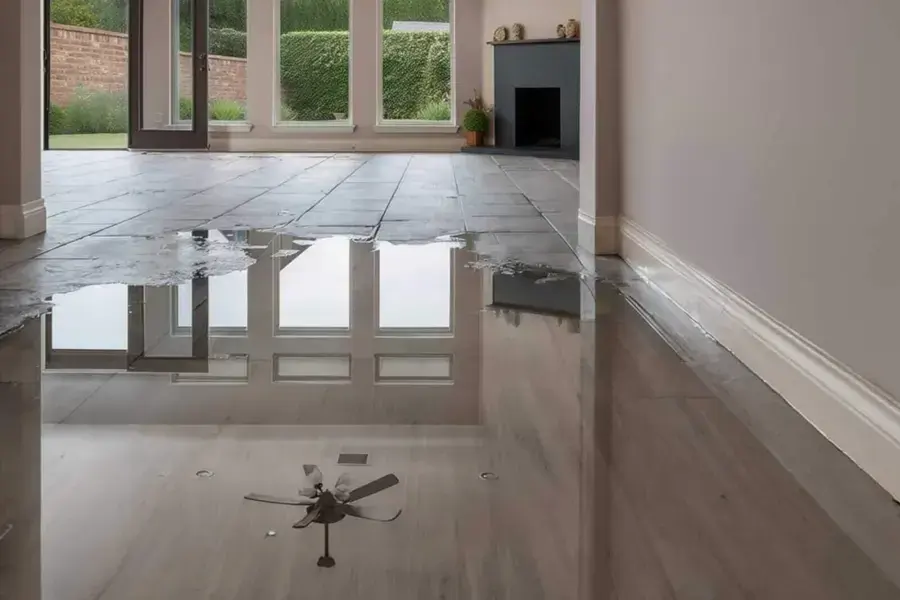
First steps for storm flood cleanup in Garland
- 1
Stay out of the water
Do not wade through flood water, which can carry sewage and electrical hazards.
- 2
Leave power alone
Do not touch the panel or outlets while standing in or near water.
- 3
Photograph the mud line
Record the water height on walls, plus ruined belongings, before cleanup.
- 4
Call for removal
Mud and wet porous materials need to come out before drying can work.
How storm flood cleanup work is done in Garland
Flood water that enters a Garland home from outside is Category 3. It carries mud, bacteria and whatever it crossed on the way, so it is handled as contaminated from the first step. In May 2015 Duck Creek flooded homes, and some residents had about 20 minutes to get out.
What does storm flood cleanup cost in Garland, TX?
Garland, TX storm flood cleanup commonly costs $3,000 to $40,000. A shallow flood in one level sits at the low end, while deep water, mud and several rooms raise the total.
Shallow flood, one area
$3,000 to $8,000
- Mud and water removed
- Carpet and pad out
- Surfaces treated
Several rooms
$8,000 to $18,000
- Drywall cut out
- Containment set
- Longer drying
Deep flood
$18,000 to $40,000
- Whole level affected
- Insulation removed
- Scrubbers and extended drying
Ranges are typical, not a quote: category of water, square footage, material class and how fast drying started move the number most. Run the water damage cost calculator for a closer range.
The storm flood cleanup process in four steps
The tech who does the walkthrough maps moisture before any equipment goes down, so the drying plan matches what is actually wet. Equipment stays until the readings say dry, not until it looks dry.
- 1
Remove water and mud
Pumps, extractors and shovels clear the water and silt.
- 2
Take out porous materials
Carpet, pad, insulation and drywall the water touched are removed.
- 3
Clean and treat
Hard surfaces and framing are cleaned and treated with an antimicrobial.
- 4
Dry and verify
Air movers and dehumidifiers run until framing reads dry.
What comes out and what stays
Porous materials the water touched, such as carpet, pad, insulation and drywall, are removed instead of dried. Hard surfaces are cleaned and treated with an EPA-registered antimicrobial. Mud and debris go first, so no equipment is set up on top of contamination. Belongings that soaked up flood water, such as rugs and upholstery, are usually the hardest to save.
- Carpet and pad removed
- Drywall cut above the wet mark
- Mud and debris shoveled and vacuumed
- Hard surfaces cleaned and treated
Drying once the cleanup is done
After the contaminated materials are out, air movers and dehumidifiers dry the framing and slab. Containment and HEPA air scrubbers keep dust from moving through the house. Structural drying explains how the finish is set, and sewage backup cleanup covers the same Category 3 care when a drain backs up.
Flood coverage
Policies often treat rising creek water differently from sudden pipe leaks, so ask your own insurer what applies. Dated photos of the mud line show the adjuster how high the water rose. Photos, mud lines and readings taken before tear-out support whatever the policy allows. Every service in town appears under water damage restoration in Garland.
Water rising from a creek is Category 3 from the start, even when it looks clear, because of what it picked up on its way to the house.
Storm flood cleanup across Garland and nearby towns
The Garland crew covers ZIP 75040 to 75044, 75048 and 75049, from Historic Downtown Garland to Firewheel, with attention to homes near Duck Creek, Rowlett Creek and Spring Creek.
The same service nearby: storm flood cleanup in Rowlett, Sachse, Sunnyvale.
Related water damage services in Garland
Storm Flood Cleanup questions in Garland, TX
Why is flood water Category 3?
It picks up soil, sewage and chemicals from yards and streets, so it is treated as contaminated no matter how clear it looks.
Does flood-soaked drywall have to go?
Yes. Drywall and insulation touched by Category 3 water are removed, not dried, usually above the wet line.
Which Garland creeks are tied to flooding?
FEMA flood maps show floodplain mainly along Duck Creek, Rowlett Creek and Spring Creek and their tributaries.
Can furniture and belongings be saved?
Hard items can often be cleaned and treated. Porous items such as upholstered pieces and mattresses touched by flood water are usually discarded.
Does homeowners insurance cover creek flooding?
Standard policies often exclude rising flood water, which is usually a separate flood policy. Ask your own insurer.
How long until drying can start?
Drying starts after the mud and contaminated materials are out, so the cleanup comes first.
Still dealing with it?
Flood water in your Garland home? Start the cleanup now.
Storm flood water in Garland? Get the mud and water out and the house dried.
Contaminated water left in drywall and carpet only spreads the damage and the risk.
(888) 527-9134Garland flood cleanup, any hour