Storm Flood Cleanup in Rockwall, TX
Heavy rain can push creek runoff into neighborhood lakes and then into houses, as Buffalo Creek did at Lake Rockwall in February 2018. Flood water is Category 3, so cleanup comes before drying.
(888) 527-9134Flood water inside? Call now.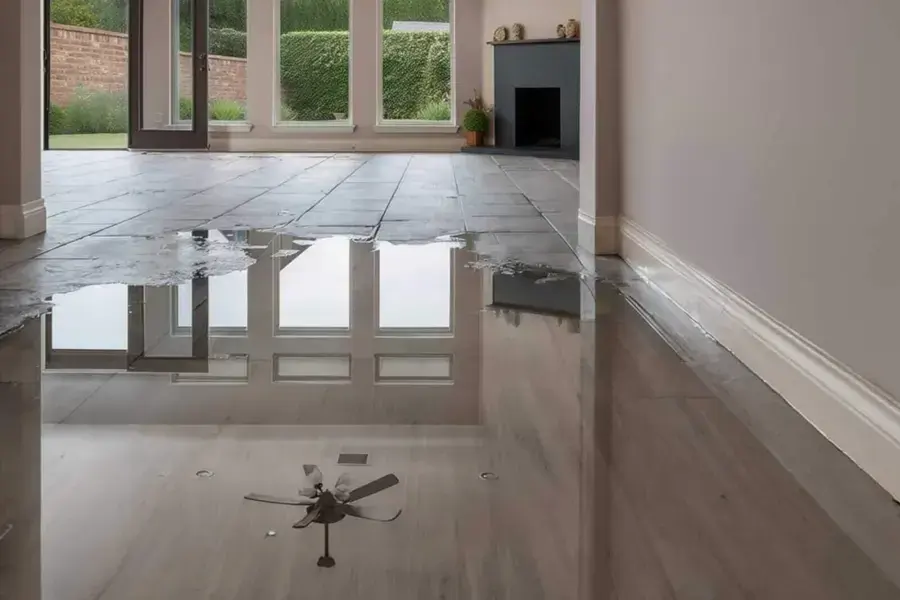
First steps for storm flood cleanup in Rockwall
- 1
Stay out
Do not wade through standing flood water; it can hide hazards and carry contamination.
- 2
Cut the power
If it is safe, shut off the main breaker for the flooded area, and never touch wet outlets.
- 3
Photograph the mud line
Capture how high the water reached and what it touched before cleanup starts.
- 4
Call for removal
Mud and soaked materials need to come out quickly, before they spoil the structure.
How storm flood cleanup work is done in Rockwall
Flood water is not the same as a plumbing leak. Water that rises from a creek, lake or street carries mud, bacteria and debris, so it is treated as Category 3 no matter how clear it looks.
What does storm flood cleanup cost in Rockwall, TX?
Storm flood cleanup in Rockwall, TX commonly runs $3,000 to $40,000. The total follows how high the water rose, how many rooms it reached and how much flooring, drywall and insulation had to come out.
Garage or one room
$3,000 to $8,000
- One room or garage
- Mud and pad removed
- Surfaces treated
Several rooms
$8,000 to $18,000
- Water in many rooms
- Drywall cut out
- Containment set
Whole floor flooded
$18,000 to $40,000
- Entire floor wet
- Full tear-out
- Extended drying
Ranges are typical, not a quote: category of water, square footage, material class and how fast drying started move the number most. Run the water damage cost calculator for a closer range.
The storm flood cleanup process in four steps
The tech who does the walkthrough maps moisture before any equipment goes down, so the drying plan matches what is actually wet. Equipment stays until the readings say dry, not until it looks dry.
- 1
Clear
Mud, debris and standing water are cleared out first, working from the entry point inward.
- 2
Remove
Porous materials the flood water touched are cut out and bagged.
- 3
Sanitize
Hard surfaces and framing are cleaned and treated with an EPA-registered antimicrobial.
- 4
Dry
Air movers and dehumidifiers run until readings match a dry reference.
Flash flooding and overflow
Rockwall County explains that flash flooding happens quickly during heavy rain, while regular flooding follows prolonged rain, lake overflow or dam failure. The county's Turn Around Don't Drown message adds that 6 inches of fast-moving water can knock over an adult and 2 feet can carry away most vehicles.
A Rockwall example
On February 22, 2018, runoff in Buffalo Creek overflowed Lake Rockwall after days of heavy rain. Almost two dozen homes near Lakeside Drive were evacuated, 15 to 20 had water inside, and homes on Eva Place were saturated by muddy floodwater. No one was injured.
What cleanup involves
Mud and debris are shoveled and bagged first. Porous materials the water touched, such as carpet, pad, insulation and low drywall, are removed rather than dried. Hard surfaces are cleaned and treated with an EPA-registered antimicrobial, then the structure is dried.
- Mud and debris removed first
- Porous materials discarded
- Surfaces cleaned and treated
- Framing and slab dried to readings
Before and after the water
Stay out of standing flood water, which may be electrified or contaminated. After it recedes, see water extraction for removal and structural drying for how framing is dried.
After the flood water recedes
Once the water is gone, the work shifts to drying and checking what is left. Wall cavities, insulation and the subfloor can stay wet behind surfaces that look fine, so meters are used wall by wall before anything is closed back up.
Flood water that has touched drywall and insulation is not worth saving, and the mud line shows how high porous materials must come out.
Storm flood cleanup across Rockwall and nearby towns
Flood cleanup covers both ZIP codes, 75087 and 75032, including Lake Rockwall Estates, Chandlers Landing, The Shores and homes on other streets near Lake Ray Hubbard and its neighborhood lakes.
The same service nearby: storm flood cleanup in Rowlett, Heath, Sachse.
Related water damage services in Rockwall
Storm Flood Cleanup questions in Rockwall, TX
Why is flood water Category 3?
It carries mud, bacteria and debris from creeks, lakes and streets, so it is treated as contaminated whatever it looks like.
Can flooded carpet and drywall be saved?
Rarely. Porous materials that soaked in Category 3 water are removed, while hard surfaces are cleaned and treated.
What is the difference between flash flooding and overflow?
Rockwall County describes flash flooding as quick-onset during heavy rain, and regular flooding as coming from prolonged rain, lake overflow or dam failure.
Is it safe to walk through flood water?
No. 6 inches of fast-moving water can knock an adult over, and 2 feet can carry away most vehicles, the county warns.
Which policy applies to flood water?
Flood damage and sudden pipe leaks are generally handled under different coverage, so ask your own insurer which applies.
Can mold follow a flood?
It can when materials stay wet. Removing soaked porous material and drying the structure to readings limits that risk.
Still dealing with it?
Flood water in your Rockwall home? Get the cleanup started.
Creek or lake water inside? Call for cleanup now.
Flood water carries mud and contamination, and the longer porous materials stay soaked, the more of them have to be thrown out.
(888) 527-9134Rockwall flood cleanup, any hour