Slab Leak Water Damage in Heath, TX
A pipe leaking under a concrete floor can stay hidden for weeks. In Heath homes the crew maps the wet floor, lifts flooring that traps moisture and dries the slab with mats and desiccant units.
(888) 527-9134Warm or damp floor? Get the drying started.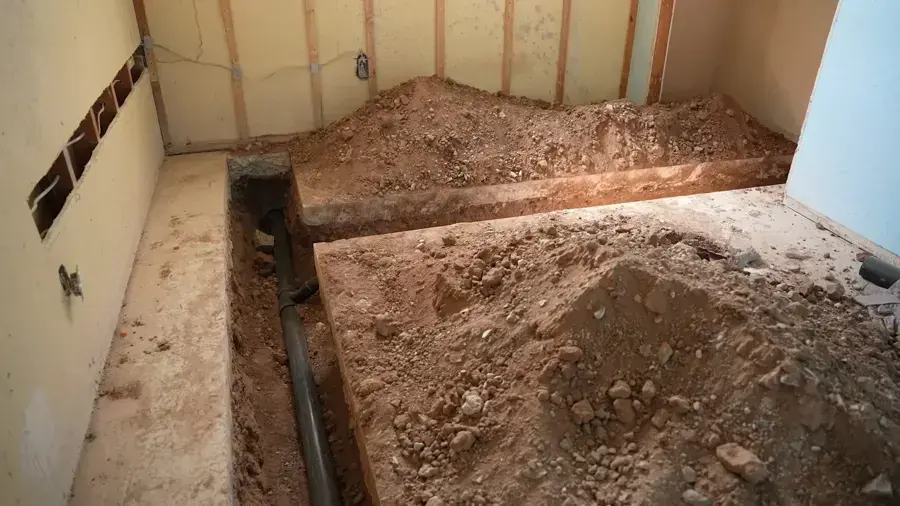
First steps for slab leak water damage in Heath
- 1
Test the meter
Turn off every tap and appliance, then watch whether the water meter keeps turning.
- 2
Shut the main
If the dial moves or a damp patch appears, close the main valve.
- 3
Book a plumber
Leak detection locates the break, and fixing it must come ahead of final drying.
- 4
Document the floor
Photograph damp spots, cupping and cracks before any flooring is lifted.
How slab leak water damage work is done in Heath
When a pipe fails beneath a concrete floor, the leak is hidden by design. Water finds its way up through joints and cracks into flooring and the base of the walls, and in a Heath house it can wet the same corner for weeks without a visible puddle.
What does slab leak water damage cost in Heath, TX?
Slab leak restoration in Heath, TX commonly costs $2,000 to $22,000 for drying and removal, apart from the plumbing repair. Wet floor area, flooring type and the length of time the leak went unnoticed decide where a job lands.
A small wet area
$2,000 to $5,000
- One room of flooring
- Drying mats on the slab
- Daily readings
Several rooms
$5,000 to $12,000
- Flooring lifted in sections
- Desiccant units running
- Lower walls tested
A long-running leak
$12,000 to $22,000
- Wide area of concrete
- Cabinets and walls opened
- Category 2 treatment
Ranges are typical, not a quote: category of water, square footage, material class and how fast drying started move the number most. Run the water damage cost calculator for a closer range.
The slab leak water damage process in four steps
The tech who does the walkthrough maps moisture before any equipment goes down, so the drying plan matches what is actually wet. Equipment stays until the readings say dry, not until it looks dry.
- 1
Repair the pipe
A plumber finds the leak and fixes or reroutes the pipe.
- 2
Map the moisture
Meters trace how far the water spread across the concrete and up the walls.
- 3
Lift what traps water
Flooring and baseboards holding moisture against the slab are removed.
- 4
Dry the concrete
Mats and desiccant units run until the concrete reads dry.
Signs that point to a leak below
No single clue proves it, but several together are convincing. A tile or carpet area that stays warm may sit over a hot water pipe, and a meter dial that keeps spinning with every fixture shut is a strong hint that water is escaping underground.
- Wood or laminate that cups or buckles
- Carpet that stays damp in one spot
- A water bill that climbs without a reason
- The sound of running water in a quiet house
Drying concrete is slow work
Pores in concrete hold water well and let go of it reluctantly, so the slab runs on a longer schedule than drywall does. Once a plumber has fixed the pipe, the crew maps where moisture sits across the floor and up into the walls. Padding, laminate and engineered boards resting on wet concrete generally come up so the surface can release moisture, and mats with desiccant dehumidifiers pull it out until readings match a dry reference. Structural drying explains how dense materials are handled.
Why the wall bottoms matter
Water that rises through the slab edge soaks baseboards and the lowest few inches of drywall, where it sits against framing. The crew tests those walls with meters, cuts out only what stays wet and leaves the rest to dry in place, which keeps the repair scope smaller.
Plumber first, restoration second
A plumber pinpoints the break, usually by pressure testing and listening, then repairs it or reroutes the pipe through the attic or walls. The City of Heath Building & Inspections department handles building permits and inspections, so the plumber can confirm what the repair needs. The restoration crew dries around that work and keeps the wet-area record for the claim, and the Heath hub lists every other service.
Sealed flooring traps moisture against concrete, so wet slab areas are normally uncovered before drying begins.
Slab leak water damage across Heath and nearby towns
Slab leak drying is available across ZIP code 75032, from The Ridge and The Highlands of Heath to Antigua Bay, Heath Golf & Yacht Club and the Buffalo Creek neighborhood.
The same service nearby: slab leak water damage in Rowlett, Rockwall, Sunnyvale.
Related water damage services in Heath
Slab Leak Water Damage questions in Heath, TX
What are the signs of a pipe leak beneath the floor?
Warm patches, a meter that spins with everything off, cupped flooring and unexplained water bills usually point that way.
Does every floor covering have to come up?
Only coverings over concrete that reads wet and cannot release moisture through them. Tile sometimes stays, while carpet padding and laminate generally go.
How long does the slab take to dry out?
Longer than a typical room, since concrete gives up water slowly. Daily meter readings, not a set number of days, decide when it is done.
Who fixes the broken pipe?
A plumber, who repairs it or reroutes it. Restoration begins after the pipe is sound, with drying and the claim record.
Can mold grow beneath flooring over a leak?
It can, because a covering over wet concrete keeps the surface dark and damp. Wet flooring above the leak is normally removed.
Will insurance pay for slab leak damage?
Many policies handle the resulting water damage separately from the pipe repair, and some cap slab claims. Your own insurer can say what applies.
Still dealing with it?
Leak under your Heath floor? Get the concrete dried properly.
Slab leak in Heath? Get the floor drying started.
Water beneath the concrete keeps rising into flooring and walls until the pipe is fixed and the slab is dried out.
(888) 527-9134Heath slab leak response, any hour