Slab Leak Water Damage in Sunnyvale, TX
Pipes buried under concrete wear out and leak, a general North Texas problem that can run unnoticed for a long time. The Sunnyvale crew locates the wet floor area, lifts coverings that trap moisture and dries the slab.
(888) 527-9134Floor feels warm or damp? Start drying it now.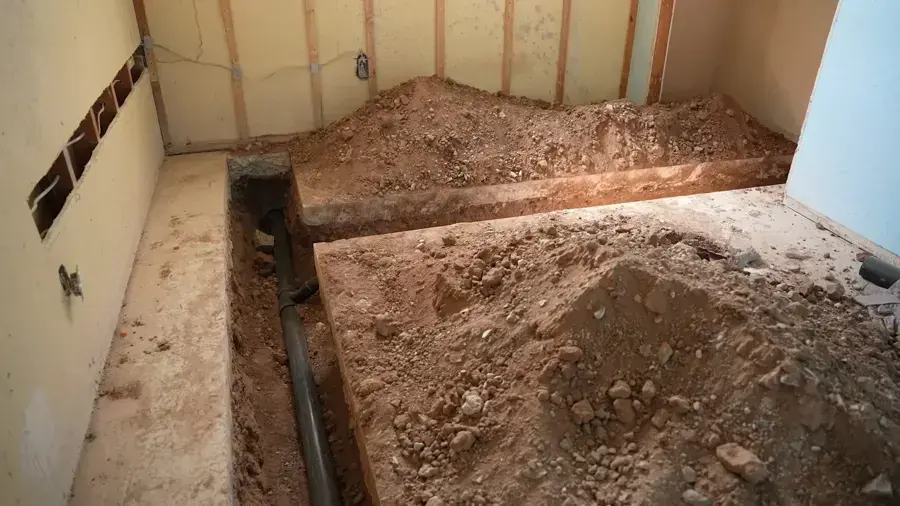
First steps for slab leak water damage in Sunnyvale
- 1
Check the meter
Turn off every tap and appliance, then see whether the water meter keeps moving.
- 2
Close the main
If it is moving, shut the main valve to stop the leak from growing.
- 3
Hire a plumber
Leak detection finds the exact break before any dry-out is finished.
- 4
Document damage
Photograph damp spots, buckled boards and cracks before flooring is lifted.
How slab leak water damage work is done in Sunnyvale
A pipe leaking beneath a foundation works in secret. The water soaks upward into flooring and sideways into the bottom of the walls, so by the time a Sunnyvale homeowner notices, the damage is often well established.
What does slab leak water damage cost in Sunnyvale, TX?
A hidden slab leak in Sunnyvale, TX typically adds $2,000 to $22,000 for drying and tear-out, not counting the plumber. The size depends on how much floor soaked, which flooring sits on it and how long the water ran.
One damp area
$2,000 to $5,000
- A single room of flooring
- Mats set on the slab
- Daily readings
Several rooms
$5,000 to $12,000
- Coverings lifted
- Desiccant dehumidifiers
- Lower drywall tested
Leak that ran for weeks
$12,000 to $22,000
- Wide area of concrete
- Gray water treatment
- Cabinet bases opened
Ranges are typical, not a quote: category of water, square footage, material class and how fast drying started move the number most. Run the water damage cost calculator for a closer range.
The slab leak water damage process in four steps
The tech who does the walkthrough maps moisture before any equipment goes down, so the drying plan matches what is actually wet. Equipment stays until the readings say dry, not until it looks dry.
- 1
Break located
A plumber pinpoints the leak under the concrete and repairs or reroutes the pipe.
- 2
Moisture mapped
Meters trace the wet zone across the floor and up the walls.
- 3
Coverings lifted
Laminate, pad and trim that hold water are removed from over the wet concrete.
- 4
Slab dried
Mats and desiccants keep working until readings reach a dry sample.
Signs worth checking
Because the break is buried, the evidence shows up on the surface instead.
- Tile or carpet that feels warm or damp underfoot
- Wood or laminate planks that buckle or lift
- A meter that keeps moving when nothing is running
- A bill from the Town that rises with no explanation
Why concrete dries slowly
Concrete is dense and porous at once, so it soaks water in and gives it back slowly. That is why it is treated as Class 4 drying, with specialty equipment instead of fans alone.
Once the leak is stopped, the crew follows the moisture with meters across the floor and up into the walls. Coverings that seal the surface, like laminate, sheet vinyl or pad, normally come up first, because the slab cannot dry through them. How long the water has been present matters as well, since a leak that ran for weeks can turn clean supply water into Category 2.
What the dry-out looks like
Drying mats pull water up out of the slab surface, desiccant dehumidifiers dry the air around it, and the readings are repeated each day. When the concrete and the lower walls read near a sample from a part of the house that stayed dry, the equipment leaves.
Who does what
Reaching and repairing the pipe is plumbing work. The restoration crew dries around that repair, then logs every reading as proof the slab is dry before new flooring goes down. To see how dense materials are dried, read about structural drying, or return to the Sunnyvale hub.
- Flooring removed only over wet concrete
- Baseboards and lower drywall tested by meter
- Daily slab readings written down
New flooring over a slab that is still damp can cup, bubble or let go of its adhesive, so the dry reading comes before the new floor.
Slab leak water damage across Sunnyvale and nearby towns
The drying team covers ZIP 75182, from Homestead and Homestead Estates to Stoney Creek, Sunnyvale Estates and the Tripp, New Hope and Long Creek areas out toward Belt Line Road.
The same service nearby: slab leak water damage in Rowlett, Heath, Garland.
Related water damage services in Sunnyvale
Slab Leak Water Damage questions in Sunnyvale, TX
What makes a slab leak hard to spot?
The break is buried under concrete, so the first signs are usually warm spots, damp flooring or an unexplained rise in the water bill.
Must every floor covering come up?
No. Only the coverings over concrete that reads wet and cannot dry through them. Tile can sometimes stay put.
How long does concrete need to dry?
Longer than a normal room, since the slab releases moisture slowly. Daily readings tell the crew when it has finished.
Who repairs the broken pipe?
A plumber repairs or reroutes it, and the crew then dries the house and records the wet area for the claim.
Can trapped moisture cause trouble later?
Yes. Dampness sealed under a floor covering stays dark and wet, so wet coverings over the leak normally come off.
Will insurance pay for a slab leak?
Policies often handle the water damage separately from the pipe repair, and terms differ. Ask your own insurer.
Still dealing with it?
Slab leak under your Sunnyvale home? Get the concrete drying.
Hidden leak beneath a Sunnyvale floor? Start the drying right away.
Water under a foundation keeps spreading into flooring and walls until the pipe is repaired and the concrete is dry.
(888) 527-9134Sunnyvale slab leak help, any hour